

The way we care for our yards has a direct impact on the health of nearby rivers and streams. Each time it rains, stormwater carries pollutants on the landscape into storm drains that eventually flow into local waterways. The good news is that with mindful choices at home, you can reduce stormwater runoff, prevent water pollution, and keep our rivers healthy year-round. In this blog, we’ll explore steps you can take for cleaner water in each season.
Spring: Soak Up and Store Rain
As snowmelt and spring rains wash across our neighborhoods, they can carry leftover winter salt, fertilizer, grass clippings, soil, and litter straight into storm drains. In the spring, we can focus on reducing the amount of stormwater that runs off our property.
- Soak up rain with native trees, flowers, and grasses. Native plants with deep roots have a greater ability to absorb and infiltrate stormwater. Adapted to our climate, they are easier to maintain, requiring less care when established. At the same time, native plant landscaping provides important food and habitat for birds and butterflies.
- Direct stormwater into a rain garden for extra absorption. Rain gardens can be a great choice for homeowners dealing with water issues. Instead of letting water pool in your lawn, guide rain into a shallow depression planted with water-tolerant native plants. The garden holds water during storms, and then lets it slowly seep into the soil.
- Collect water in a rain barrel. Rain barrels allow you to collect and use rainwater as a resource. Reduce your water usage at home by using free, non-chlorinated rainwater to water your garden or wash your car.

Summer: Limit Potential Pollutants on Your Property
Summer is the perfect time to enjoy your yard, from backyard grilling to gardening. By being aware of your outdoor activities, you can keep harmful materials out of stormwater runoff and nearby streams.
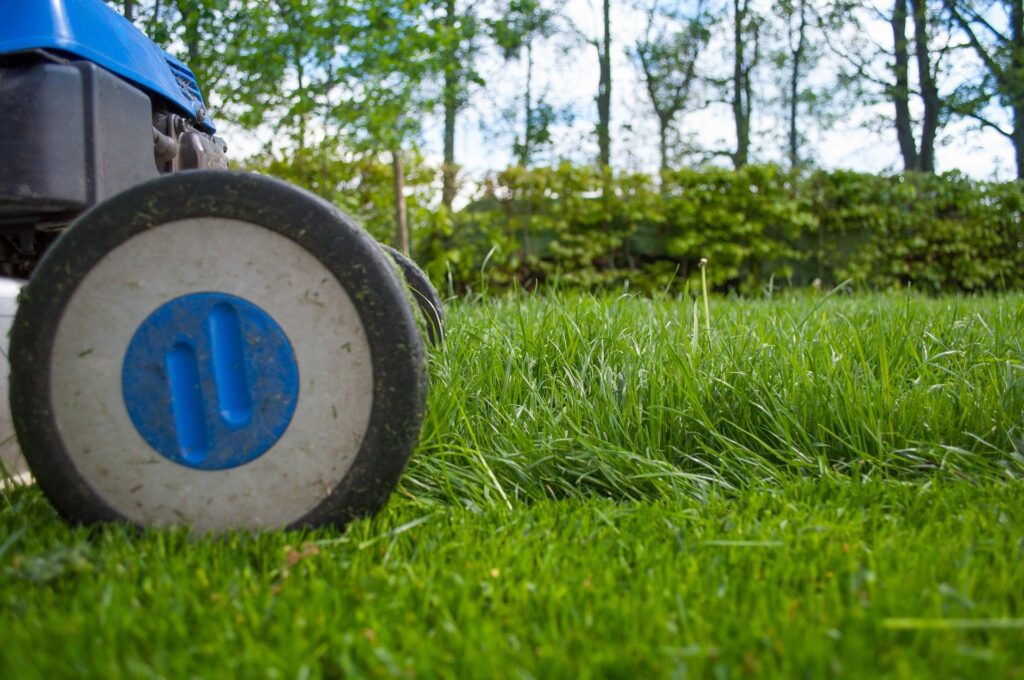
- Take care of your lawn naturally. Try reducing or even eliminating your use of fertilizers and herbicides to prevent them from running off into waterways. Instead, you can use a mulching mower to leave behind shredded grass clippings that act as compost to fertilize your lawn without adding chemicals.
- Pick up after your pet. Neighborhood dog waste adds up to be a contaminant in local waterways as rain picks up bacteria and nutrients in left behind pet waste. Scoop the poop every time, everywhere (whether that’s at home or at the forest preserve) to keep rivers healthy.
- Maintain and check your car. After car maintenance, take a moment to check underneath your car for any leaks. Oil, coolant, and other fluids on your driveway or the road can pollute waterways. Fix and clean up leaks and spills as soon as you notice them. If washing your car at home, avoid washing soapy, dirty water into the street or storm drains.
Fall: Leaf and Tree Care for Healthier Rivers
As the weather cools, leaves drop. Leaves can be a pain to rake up, but know that how you manage leaves and yard waste can have an impact on waterways. Fortunately, you can take care of yard waste in a way that helps your lawn and protects the environment.
- Clean up leaves before a heavy rain. As rain flows through fallen leaves, nutrients—especially phosphorus—leach out of them much like a tea bag in water. Leaves are natural, of course, but their nutrients are unnaturally funneled into rivers and streams through storm sewers, throwing off the ecosystem’s balance and causing algal blooms. Manage leaves by participating in your community’s leaf collection program, mulch them into your lawn with a mower, or compost them to use in the garden.
- Dispose of yard waste properly. As you gather up leaves and branches in your yard this fall, plan to mulch them, compost them, or send them off your property through your community’s yard waste collection service. Dumping yard waste into natural areas or streams degrades wildlife habitat and water quality—plus, it’s illegal. Similarly, leaves should not be raked or blown into the street. Leaves can block storm drains, causing flooding in your neighborhood.
- Plant a native tree or shrub. Fall is an ideal time to plant trees and shrubs. Trees are excellent at soaking up rain and infiltrating excess stormwater into the soil. Native trees are foundational for the local ecosystem, so you’ll help birds and butterflies flourish too.

Winter: Salt Smart for Clean Water
The salt we use on roads, parking lots, and sidewalks in the winter washes into our rivers where it hurts fish and water quality. Unfortunately, our rivers and streams are becoming increasingly salty in northeast Illinois. Salt is also damaging to our lawn and landscaping, so being Salt Smart protects clean water and healthy yards.
- Remove snow and ice first. Depending on the conditions, use a broom, shovel, snow blower, or ice scraper. Remove snow as soon as you can, before it compacts and turns into ice.
- Use the appropriate amount of salt to melt snow and ice. After clearing as much snow as possible, scatter salt with space between granules. You need much less salt than you think! In fact, a 12-ounce cup of salt is enough to cover 10 sidewalk squares. Salt Smart application rates work to melt ice just as well as a heavy salting.
- Only scatter salt where needed. Prioritize areas where you and guests walk and places that tend to be slippery, such as steps.

Cleaner Water Year-Round Through River-Friendly Choices
Protecting clean water in rivers and streams is a year-round effort made up of many small but mindful actions. By reducing stormwater runoff and pollutants in our yards, we create healthier landscapes that have a positive impact on nearby waterways.


